


Where human approval belongs in agentic marketing
An approval button is only useful if the person clicking it can understand what they’re approving.
“Approve campaign” sounds efficient. Does it approve the copy, the audience, the sending schedule, the budget, or all of them? If an agent can change any of those after the click, the approval doesn’t mean very much.
That is where I think marketing teams should spend more time as they adopt agents. The question is practical: where does a decision become a commitment someone outside the company can see?
Review the action while you can still change it
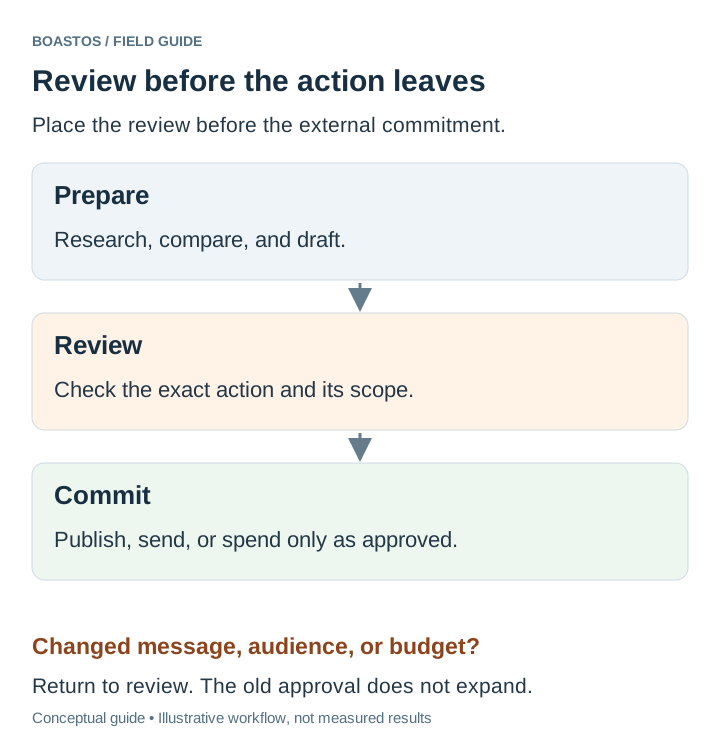
Research can usually run with little interruption. An agent can collect public competitor pages, summarize themes, and prepare a report. The output stays inside the business until someone decides what to do with it.
Publishing is different. So is sending an email to a prospect or increasing a campaign budget. Those actions deserve a review point that shows the actual content, destination, and scope.
For an outreach workflow, I would want to see the recipients, the message, the reason each recipient belongs on the list, and the planned send time. If the agent changes the message or adds recipients, that should become a new review. A previous approval shouldn’t silently stretch to cover new work.
Make the review packet smaller
Human review fails when it becomes a wall of text nobody has time to read. A useful packet helps the reviewer decide quickly without hiding the details.
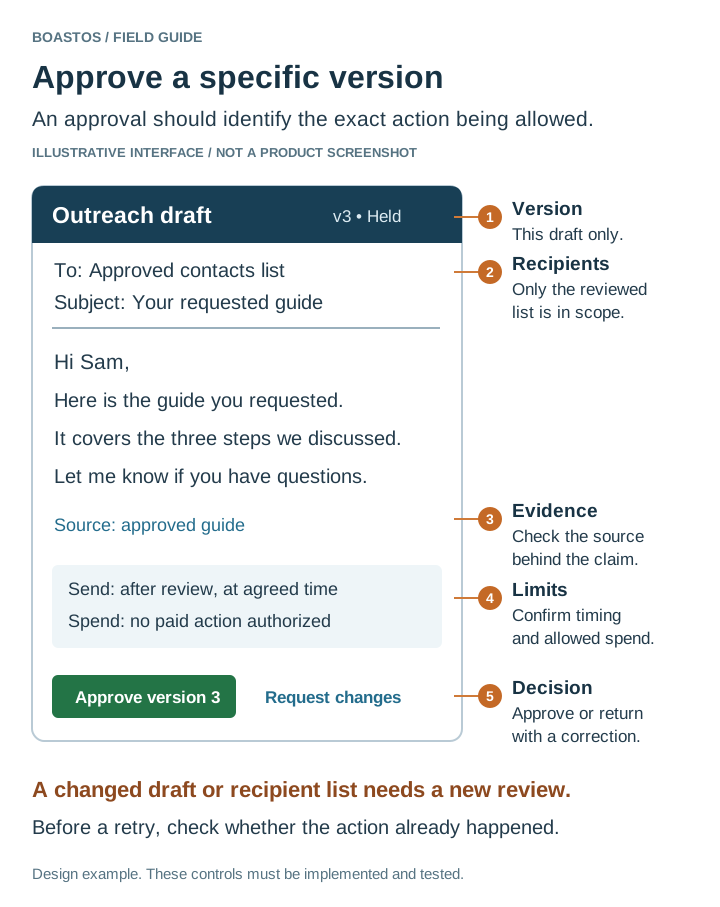
Show the proposed action first. Put the claims and their sources beside it. Explain the uncertain parts. If the agent couldn’t confirm whether a company still offers a service, say that clearly instead of burying a guess inside confident copy.
The reviewer needs a way to send the work back with a specific correction. “Wrong audience; use local owners rather than national chains” is actionable. A rejection with no explanation teaches the workflow very little.
Specify what the approval covers
For an outreach draft, the approval record could include the message version, recipient list, source of each factual claim, scheduled send time, and any spending limit. This is a design checklist, not a claim that every tool enforces these controls automatically.
Before enabling sending, try three cases:
- Approve one message, then change the text. The changed version should require review again.
- Approve a recipient list, then add another address. The new recipient should remain outside the approved send.
- Interrupt execution after a send. On retry, the workflow should check whether the message already went out.
If the system cannot enforce those boundaries, keep execution manual until it can. A visible approval button is not enough to establish what was authorized.
Earn autonomy one workflow at a time
Anthropic’s guidance on building effective agents, first published in December 2024, describes agents that use feedback from their environment and can pause for human input. It also emphasizes testing and guardrails before trusting autonomous work. Those are useful principles for marketing, where a plausible draft can still contain an expensive mistake.
I’d apply them at the workflow level. A weekly internal summary and a public product announcement don’t need the same controls. A team might eventually let the summary run unattended while keeping approval on every announcement.
Keep a record of what was proposed, what was approved, and what actually happened. When something goes wrong, that record lets you find the failure. Did the brief contain the wrong fact? Did the reviewer miss it? Did the execution differ from the approved version?
Measure the burden on the reviewer
If your team spends an hour untangling every proposal, the workflow still needs work. Track how often reviewers approve without edits, what they change, and how long the decision takes. Use that evidence to decide whether to simplify the assignment, improve the context, or adjust the review point.
The goal is a person who can make an informed decision at the moment it matters. Good automation should make that decision easier to see and easier to act on.
Both BoastOS purchase options include human review and approval features. With BoastAble services, we help build the first workflows around the decisions your team needs to review.
Prepared with AI assistance for BoastOS. Examples are illustrative unless identified as measured results. Product references describe BoastOS, which the author helps build.